I am a pastor serving in Lahore, Pakistan. In 1999, when my daughter Cynthia was seven years old, we faced a life-threatening crisis caused by Celiac Disease.
In Pakistan, bread such as roti and naan is the main daily food. Avoiding wheat is extremely difficult. At that time, I did not understand that gluten could trigger a serious autoimmune condition known as Celiac Disease.
On June 15, early in the morning, my daughter began to vomit severely. After a short time, she seemed slightly better, so we did not think it was serious. But a few days later, the vomiting returned, this time with diarrhea. She suffered intense abdominal pain. The color of the vomit changed, and eventually blood appeared in her stool.
We rushed her to Rashid Hospital in Lahore. She was admitted and treated for three days. Her symptoms temporarily improved, and she was discharged. However, the crisis was not over.
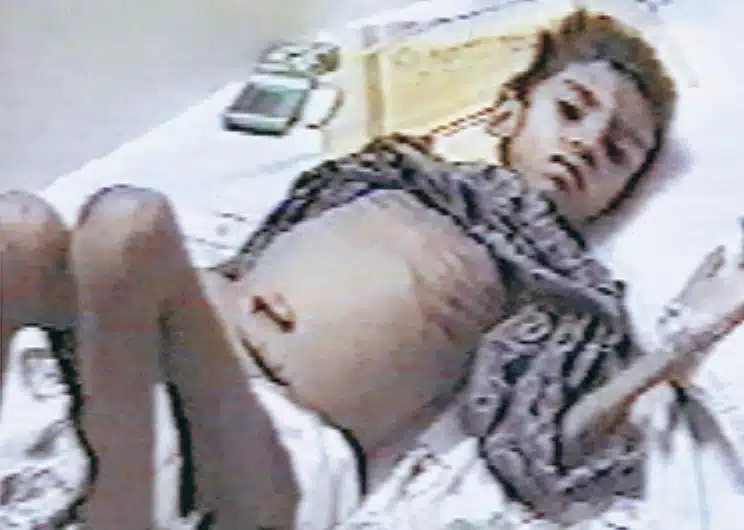
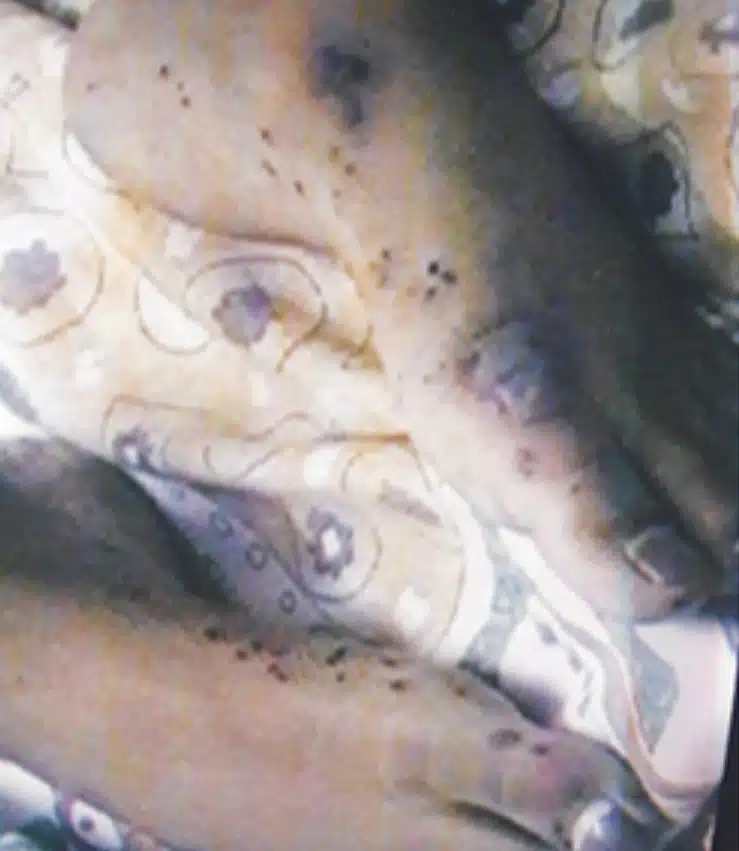
Hospitalized child showing severe abdominal distension and signs of extreme weight loss during treatment for Celiac Disease in Lahore, 1999
About one week later, she was admitted again. During the second hospitalization, her condition had worsened significantly. Diarrhea, vomiting, and bleeding continued.
After examinations, doctors diagnosed her with Celiac Disease. They explained that Celiac Disease is an immune reaction to gluten that damages the small intestine and prevents proper absorption of nutrients. In severe forms of Celiac Disease, serious malnutrition and intestinal complications can develop.
Imaging studies suggested serious intestinal dysfunction and possible bowel obstruction. The doctors said surgery might be necessary. However, my daughter was extremely weak.
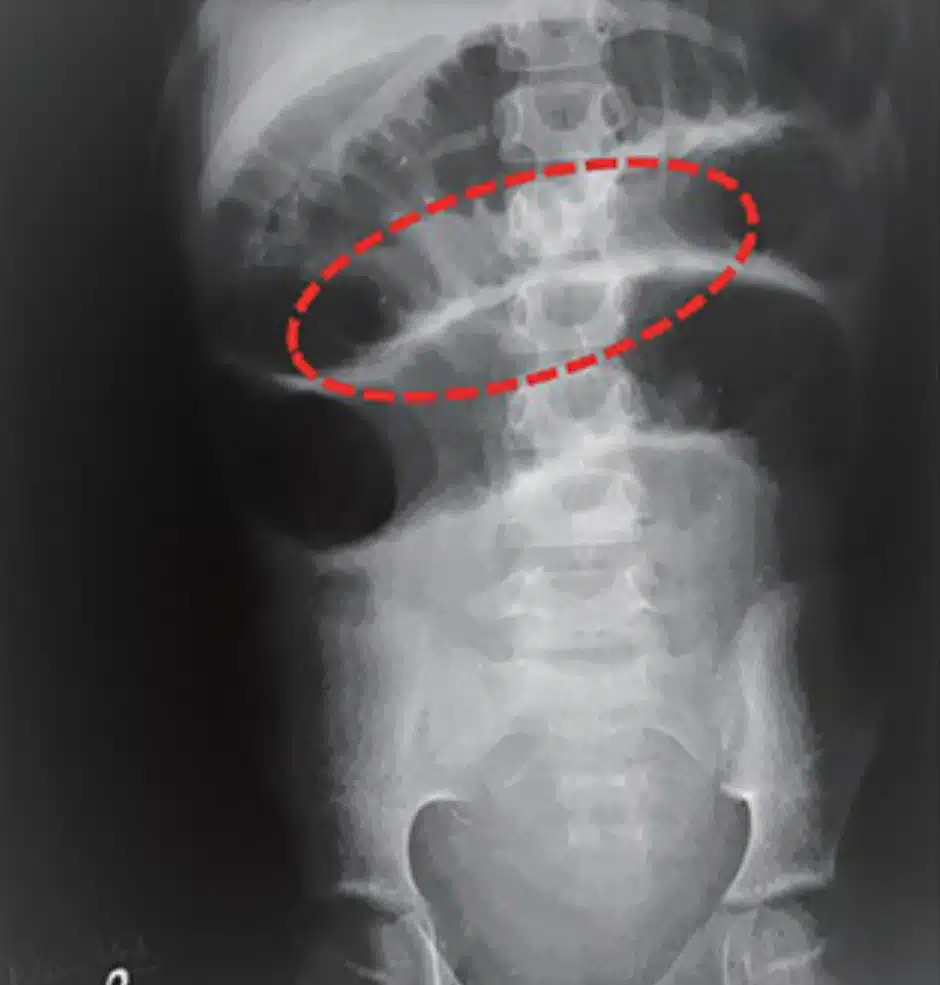
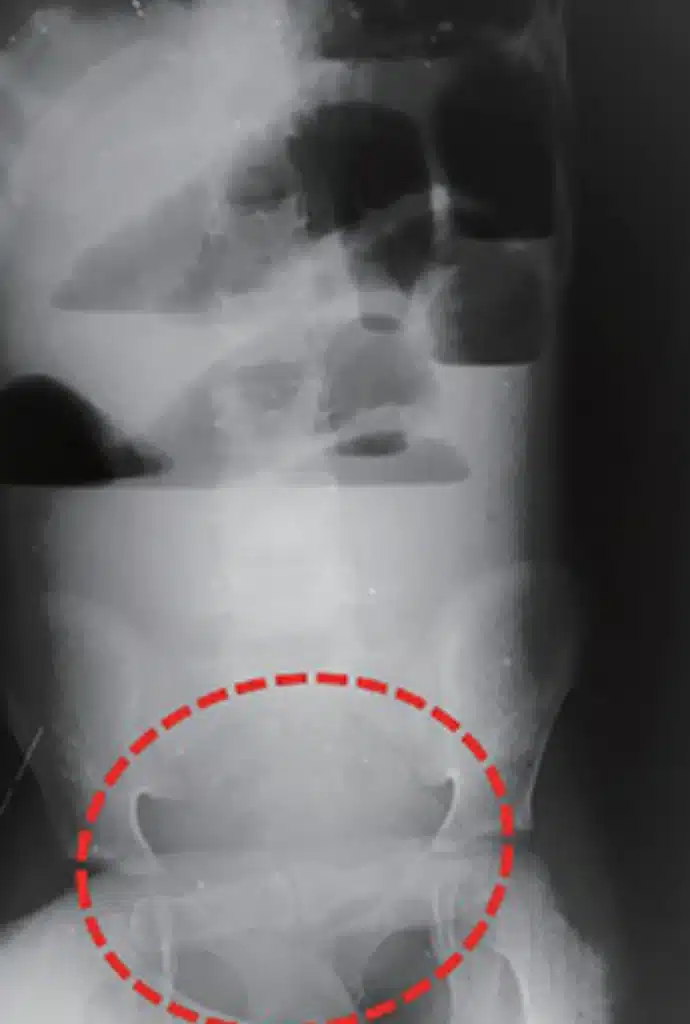
Abdominal X-ray images showing abnormal intestinal gas patterns and areas where bowel obstruction was suspected during hospitalization
She weighed only 11 kilograms. The average weight for a seven-year-old girl is around 20 kilograms. Her body was severely malnourished due to complications from Celiac Disease. The medical team warned that surgery carried a high risk of death. Even if surgery were performed, recovery could not be guaranteed. The hospital chose conservative treatment instead. She received intravenous fluids and antibiotics. Still, there was little improvement. She could barely eat. Her body became thinner each day.
After 24 days, there was still no clear recovery of bowel function. The attending physician expressed concern and said there was little more he could do medically. As a father, I felt completely helpless.
In that moment of despair, I turned to Jesus Christ. I asked the church to pray. I prayed with faith, believing that God hears prayer everywhere. Gradually, her condition began to change. Her appetite returned. The abdominal swelling decreased. The pain lessened. She began to eat more. Her strength slowly improved. Even the medical staff expressed surprise at her recovery from Celiac Disease.
A few days later, she was discharged.
I believe her recovery from Celiac Disease was by the grace of Jesus Christ. Over time, my daughter regained her health completely. Today she serves in Malaysia as a pastor’s wife. The child whose life was once threatened by complications of Celiac Disease now lives to share the Gospel. \Through this experience, I learned that in the deepest despair, the Jesus I held onto became the true hope of my family.
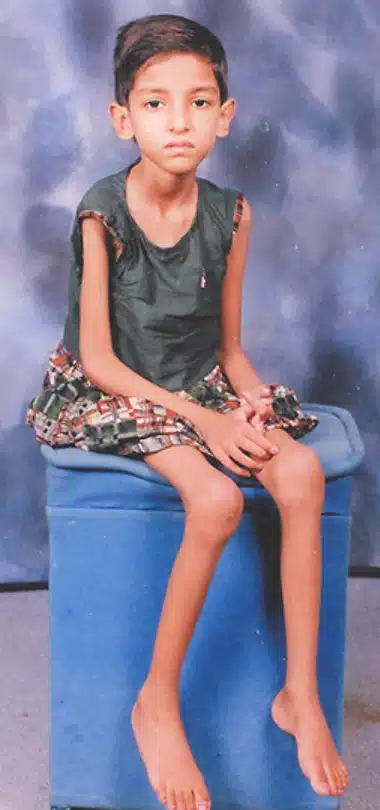

Left: Shortly after discharge, showing continued thinness and recovery stage following treatment for Celiac Disease.
Right: Ten years later, healthy and active, living a full life after recovery.