
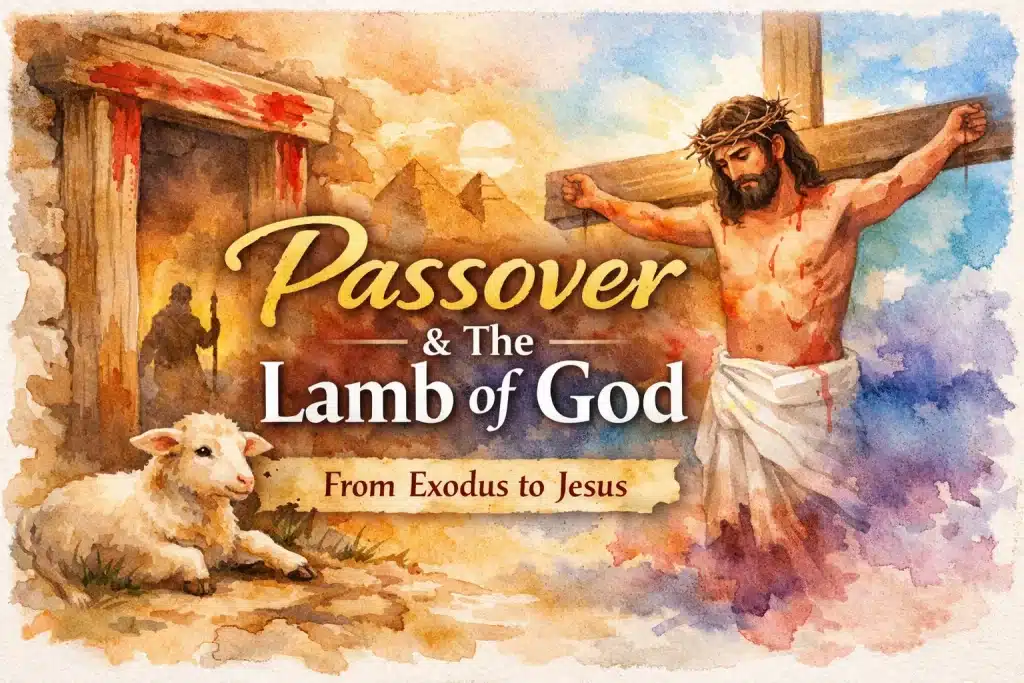
Passover is one of the most important feasts in the history of Israel. Its background is the Exodus. The people of Israel lived as slaves in Egypt for a long time. God decided to deliver them through Moses. Many plagues came upon Egypt, but Pharaoh did not change his heart. The final plague was the death of the firstborn. On that night, God commanded each family to kill a lamb and put its blood on the doorposts and the top of the door. When the blood was there, the judgment of death passed over that house. That is why it is called Passover. The word itself means “to pass over.”
The key point is not only that a nation was set free. The question is this: Why did the lamb have to die?
The Bible gives a clear principle. “The wages of sin is death.” If there is sin, there must be the price of death. This is not emotional. It is a spiritual law. In the Old Testament, when a person sinned, a sacrifice was offered. A lamb, without sin and without defect, was used as a symbol. The sin of the person was transferred to the animal, and the animal died instead. Because of this, the person received forgiveness. The Passover lamb shows the same principle. Someone else died in the place of the one who should die.
But the sacrifices in the Old Testament were only a shadow. A lamb cannot fully replace a human. So the sacrifices had to be repeated again and again. The problem of sin was not fully solved. It pointed to a greater and perfect sacrifice to come.
That is why Jesus came as the Lamb of God. Jesus had no sin, yet He carried the sins of people and died on the cross. What was repeated in the Old Testament was completed in one perfect sacrifice through Jesus. Jesus died at the time of Passover. This was not a coincidence. It shows that the meaning of the Passover lamb was fulfilled in Him.
This truth is also seen in the Last Supper. Before He was arrested, Jesus ate the Passover meal with His disciples. He took bread and said, “This is My body for you.” He took the cup and said, “This cup is the new covenant in My blood.” This is a turning point. In the Old Testament, the blood of a lamb caused death to pass over. Now, the body and blood of Jesus became the center of forgiveness and the new covenant. The focus moved from animal sacrifice to the sacrifice of Jesus.
Jesus also said, “Do this in remembrance of Me.” This does not mean only repeating a ritual. The church practices Communion according to this command. Through the bread and the cup, we remember the body and blood of the Lord. We remember that His death was for us. Communion is not just a religious ceremony. It is a time to remember His sacrifice and to examine whether we are living in that grace.
In the Bible, remembrance is not only memory. It means holding the meaning and living it out. So the true meaning of Communion is not only receiving bread and the cup. It is to remember His sacrifice and to live by His Word. If we remember with our lips but do not live it out, we miss the true meaning.
Passover showed the blood of a lamb that made death pass over. Jesus came as the true Lamb and fully solved the problem of sin. And through the words, “Do this in remembrance of Me,” He calls us not only to know this, but to remember and live it.
आज का संदेश हमे सिखाता है कि यीशु मसीह की मृत्यु पर्व के समय क्यों होई?
इसका अर्थ है पार करना , पाप का फल मृत्यु है। यह एक आत्मिक मृत्यु है। इसलिए पुराने नियम में हम मनुष्य के पाप के कारण मेमना बलि दिया जाता था। इसीलिए हमारा प्रभु यीशु मसीह परमेश्वर का मेमना बनके आए, हम मनुष्य के पापो के कारण खुद क्रूस पर बलिदान हुआ। आमीन ✨🙏🏻
आप सभी को जय मसीह की।
पुराने नियम में जब इस्राएल के लोग लंबे समय तक मिस्र की गुलामी में थे, तब परमेश्वर ने उन्हें वहाँ से छुड़ाया। उस समय परमेश्वर ने उन्हें आज्ञा दी कि वे एक मेम्ने का लहू अपने घरों की चौखट पर लगाएँ—इसी कारण उसे फसह का पर्व कहा जाता है।
परन्तु यहाँ एक महत्वपूर्ण प्रश्न है—उस मेम्ने को क्यों मरना पड़ा?
क्योंकि बाइबल कहती है कि पाप की मजदूरी मृत्यु है, अर्थात जो कोई पाप करता है, उसे मृत्यु का सामना करना पड़ता है। इसलिए जब कोई व्यक्ति पाप करता था, तो वह एक मेम्ने का बलिदान करता था, और प्रतीकात्मक रूप से उसके पाप उस मेम्ने पर स्थानांतरित हो जाते थे।
किन्तु यह व्यवस्था स्थायी नहीं थी; यह केवल कुछ समय के लिए थी।
इसी कारण, उसी फसह के समय, यीशु मसीह हमारे लिए बलिदान हुए। वे एक निष्कलंक मेम्ने के समान इस संसार में आए—निर्दोष और पवित्र होते हुए भी उन्होंने हमारे सभी पापों को अपने ऊपर ले लिया और हमारे लिए मृत्यु को स्वीकार किया।
Praise the Lord 🩷
Passover is one of the most important feasts in the history of Israel.
In the Old Testament, whenever a person sinned, they were required to offer a lamb as a sacrifice. This was because the Bible teaches that the wages of sin is death, meaning that sin leads to death and separation from God. However, God, in His mercy, did not desire that people should perish. Therefore, He made a way for them—when they sinned, they could sacrifice a lamb, symbolically transferring their sins onto it.
This sacrifice, however, was only temporary and had to be repeated again and again.
That is why Jesus Christ came into this world as the ultimate and perfect Lamb. Just as in the Old Testament a pure and spotless lamb was offered, Jesus was also completely sinless and holy. He took upon Himself the sins of all humanity and offered Himself as a sacrifice on the cross.
Through His crucifixion, He became the final and perfect sacrifice, once and for all.
Amen
sabhiko jay masih ki 🙏
ezrayel ke log jab mishr desh me rehte the unki gulami karte the lambe samay tak gulami hi karte rahe
mishr par bahot vipattiya aai tab memne ko markar rakt ka tila chaukat par lagaya jata tha taki mrutu tal jaye
esiliye pitaparmeshwr ne ezrayel ke logoko mishr desh se nikalnekeliye musa ki agawai ki
par firon raja ne musapar vishwas nhi kiya
purane niyam me jab koi manushy paap karta tha to janvar ko bali chadate the tab manushy ke paap kshma hote the
manushy ko marna tha par unki jagah janavar marte the or navavar ko baar baar bali chadana padta tha
par abhi naye niyam me jo parmeshwar ka purt yeshu wo memna hai usane ekahi baar balidan dekar mrutyu ko paar kar liya.
hame papoki kshma mili
or girptar honese pahilehi yeshune roti ko toda or kaha ki ye roti mera sharir hai or ye pyala mera lahu apkeliye nayi wacha hai
hame kewal usake balidan ko yaad nhi karna hai
ham jab prabhu bhoj lete hai to vachan ka palan karna vachanke sath khudko badalna hota hai vachan ke anusaar jiwan jina hota hai
jo lahu hai usako yaad hi karna nhi hai wo lahuse apne vrady ko saaf karna hota hai
Amen ❤️
Jay masi ki aaj ke sandes se hamne yah sikha hai ki परमेश्वर ने मूसा के द्वारा उन्हें मुक्ति दिलाने का निश्चय किया। मिस्र पर अनेक विपत्तियाँ आईं, परन्तु फिरौन का हृदय नहीं बदलाजब रक्त वहाँ लग जाता था, तो मृत्यु का दंड उस घर से टल जाता था। इसीलिए इसे फसह कहा जाता है। इस शब्द का अर्थ ही है “पार करना”।जब कोई व्यक्ति पाप करता था, तो बलिदान चढ़ाया जाता था। एक निर्दोष और दोषरहित मेमने को प्रतीक के रूप में इस्तेमाल किया जाता था।एक मेमना पूरी तरह से मनुष्य का स्थान नहीं ले सकता। इसलिए बलिदानों को बार-बार दोहराना आवश्यक था। पाप की समस्या का पूर्ण समाधान नहीं हुआ था। यह आने वाले एक महान और परिपूर्ण बलिदान की ओर इशारा करता था।वचन के अनुसार जीवन जीना। यदि हम केवल ज़बान से स्मरण करें, पर उसे अपने जीवन में न उतारें, तो हम सच्चे अर्थ से वंचित रह जाते हैं।मेरी स्मृति में यह करो” इन शब्दों के माध्यम से, वे हमें न केवल इसे जानने के लिए, बल्कि इसे याद रखने और अपने जीवन में उतारने के लिए भी प्रेरित करते हैं।
Amen 🙏
Sabhiko jay masih ki iss vachan se maine sikaki ki paile manushy paap karta tha to uaki or se janvar ro ki bali chadate the par iss jag me bohat se logo ne paap kiya tha to logo ke paap ko shama karneko janvar ki jaga hamere prabhu yeshu mashi ki bali chadayi gayi jisse hamere manav jati ke sabhi logo ke paap shama ho gaye
AMEN
जय मसीह की मास्टर जी आज के वचन से हमने यह सीखा है कि यह सत्य अंतिम भोज में भी दिखाई देता है। गिरफ्तार होने से पहले, यीशु ने अपने शिष्यों के साथ फसह का भोज किया। उन्होंने रोटी ली और कहा, “यह मेरा शरीर है जो तुम्हारे लिए है।” उन्होंने प्याला लिया और कहा, “यह प्याला मेरे लहू में नई वाचा है।” यह एक महत्वपूर्ण मोड़ था। पुराने नियम में, मेमने के लहू से मृत्यु टल जाती
बाइबल में स्मरण का अर्थ केवल स्मृति नहीं है। इसका अर्थ है उसके अर्थ को समझना और उसे अपने जीवन में उतारना। इसलिए पवित्र भोज का सच्चा अर्थ केवल रोटी और प्याला ग्रहण करना नहीं है। इसका अर्थ है उनके बलिदान को याद करना और उनके वचन के अनुसार जीवन जीना।जब हम प्रभु को ग्रहण करते हैं पश्चाताप करते हैं पिता परमेश्वर हमारे पापा को क्षमा कर देते हैं आमीन
आज संदेश को हम सीखे हैं बाइबल हमें बताती है पाप का फल मृत्यु है उसकी कीमत अवश्य होगी पुराने नियम में जब कोई व्यक्ति पाप करता था तू बलिदान चढ़ाया जाता था इसी कारण व्यक्ति को क्षमा की जाती थी इसलिए यीशु परमेश्वर के रूप में आए यीशु पाप रहित थे फिर भी हमारे पाप को अपने ऊपर लिए यह दर्शाता है प्रभु भोज केवल एक धार्मिक अनुष्ठान नहीं है यह उनके बलिदान को याद करने यह समझने का समय है कि क्या हम उस पर विश्वास करते है इसलिए पवित्र भोज का सच्चा अर्थ केवल रोटी और प्याला ग्रहण करना नहीं है इसका अर्थ है उनके बलिदान को याद करना और उनके बच्चन के अनुसार जीवन जीना हम केवल जुबान से स्मरण न करें हमें अपने जीवन में उतरना है तभी हम सच्चे अर्थ को समझ जाते हैं यीशु सच्ची मेमनी के रूप में आए और उन्होंने पाप की समस्या का समाधान किया Jay Masih paster ji
hallelujah prabhu ki stuti ho aj hum fashah k parb ko achhe se jan paye hai kyu fashah manaya jata tha parmeshwer ne hme mrutyu se paar kiya aur memne k balidan k dwara hme chhukra mila paapse mrutyu se aur hme ismaran me prabhu bhoj ko lena hai jiska matlab hai vachan ka palan krna hai aur us par chlna hai dhanywad sunder gahre arth ko batane k liye
Amennn
Yashu masiha ka vachan kahta hai, jo mere vachan par chalega ,woh anant jivan payega,aur jo koi mera lahu piyega ,aur , dehh khayega ,dehh
ka matlab hai roti, wahi mere rajya me pravesh karega. Yashu masiha memne ke roop me aaye, aur unhone paap ki samasya ka purn samadhan kiya ,amen amen 🙏🌹♥️